The launch issue
The science behind the gadgets you wear and keep at home.
A fitness tracker, a chest strap, a fingertip clip, an ear thermometer, a box on the shelf that reports the air: each one turns a sensor signal into a number. This notebook logs what each gadget actually measures, how that measurement has been validated, and where its readings stop being reliable. Products are established brands sold on Amazon, and every result points to a source you can open.
The instrument cabinet
Eleven instruments, three drawers
Every entry opens with the same spec table (what it measures, sensor type, validation evidence, limits) and an accuracy strip that summarizes the published validation results, colored by who ran the study. Where nothing has been published, the strip says so.
Wrist & finger
Worn all day · optical sensors
-
I-01Fitness band
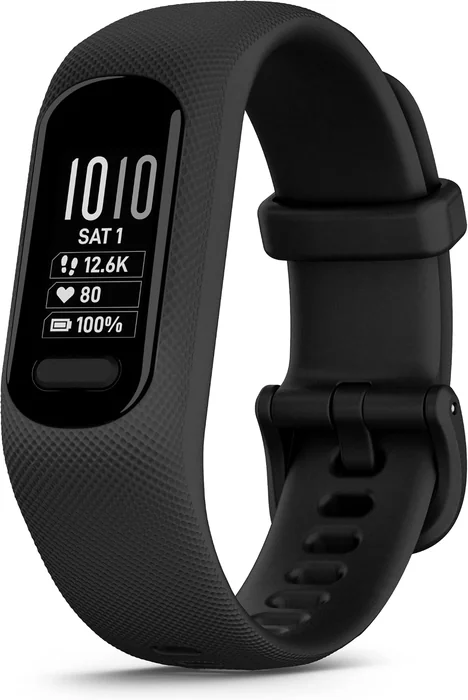
Garmin vívosmart 5
Heart rate · steps · sleep and SpO2 estimates
A slim wrist band with no GPS of its own: what three small independent studies of its optical heart-rate sensor found, and where the evidence runs thin.
Open entry -
I-02GPS watch
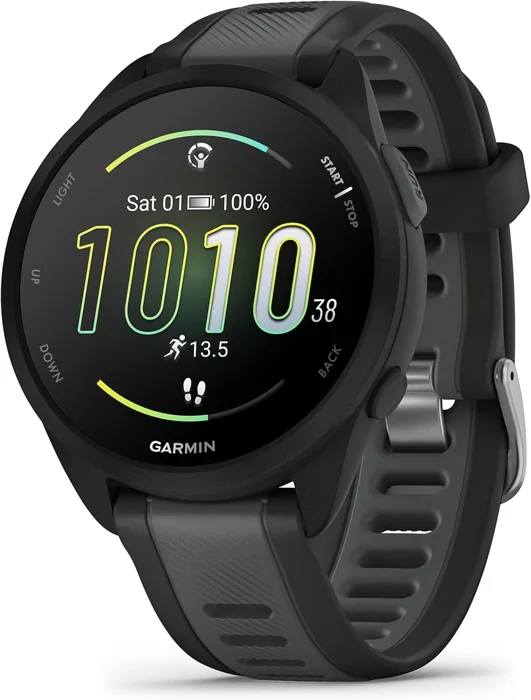
Garmin Forerunner 165
Heart rate · GPS distance · sleep and HRV estimates
A running watch with a wrist heart-rate sensor: what independent studies of Garmin's optical sensor found, and which settings trip it up.
Open entry -
I-03Smart ring
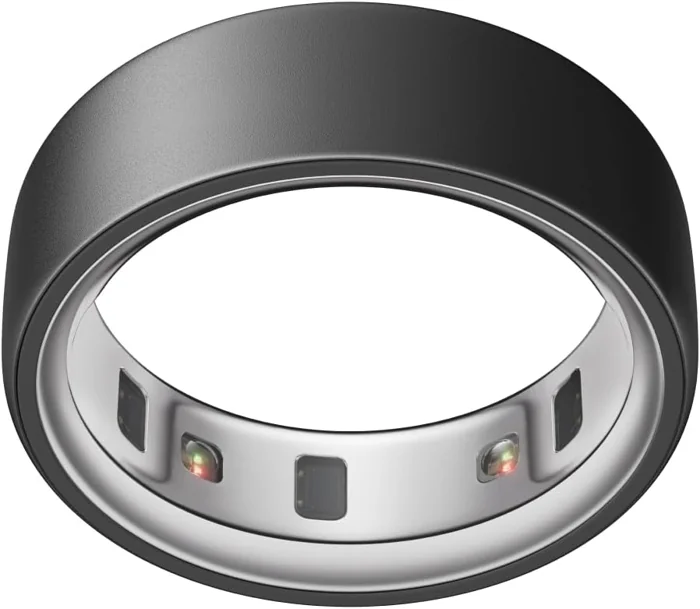
Oura Ring 4
Heart rate · temperature trends · sleep estimates
A ring that measures from the finger rather than the wrist, with the sleep-staging research read against a sleep-lab reference.
Open entry -
I-04Smartwatch
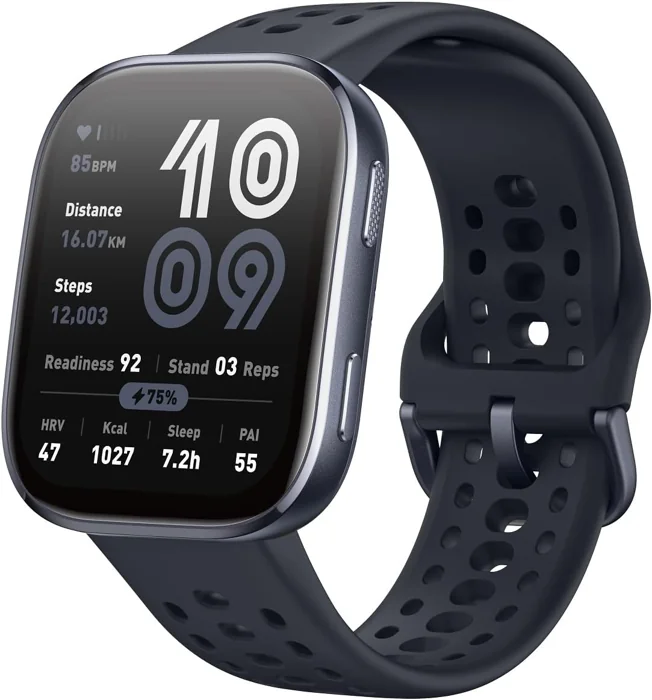
Amazfit Bip 6
Heart rate · blood-oxygen readings · steps · GPS
A budget smartwatch logged the same way as the expensive ones, including what has and has not been published about its sensors.
Open entry
Strap, clip & ear
Chest, hip and in-ear instruments
-
I-05Chest strap
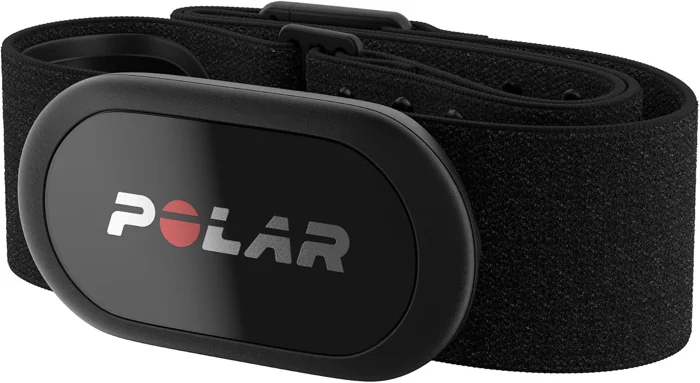
Polar H10
Heart rate · beat-to-beat intervals
An electrical chest-strap sensor, the kind researchers often use as the comparison device in wrist-tracker studies, logged on its own terms.
Open entry -
I-06Pedometer
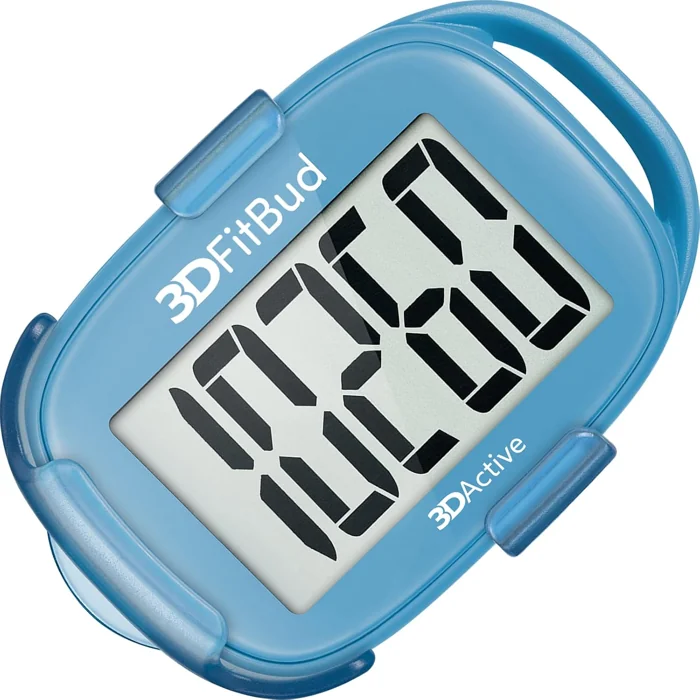
3DFitBud Simple Step Counter
Steps only · no app
A clip-on pedometer with one job, read against what step-count validation studies test and where simple counters tend to miss.
Open entry -
I-07Sleep earbuds
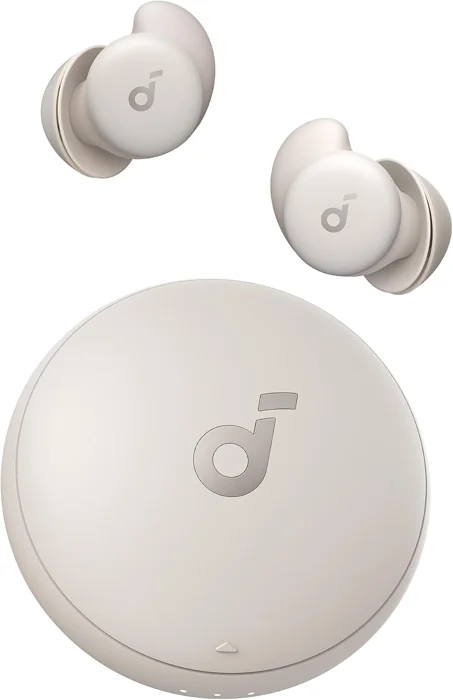
soundcore Sleep A20
Audio and noise masking · motion-based sleep estimates
In-ear buds built for sleeping, with the sound features separated from the sleep-tracking estimates and the evidence for each.
Open entry
Room & spot check
Point readings and room instruments
-
I-08Pulse oximeter
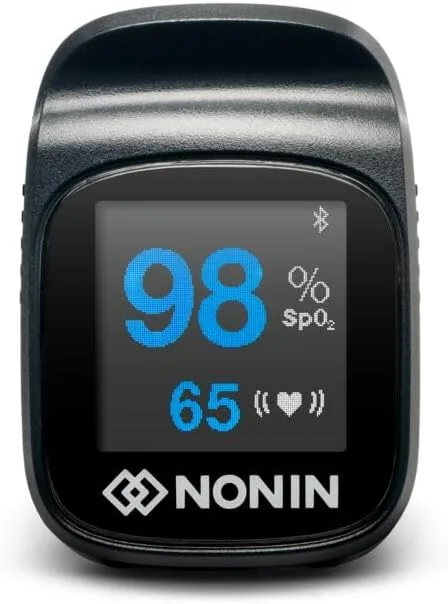
Nonin TruO2 OTC Pulse Oximeter
Blood-oxygen saturation (SpO2) · pulse rate
A fingertip clip read against the FDA's accuracy guidance for pulse oximeters, with its regulatory status checked at the source.
Open entry -
I-09Ear thermometer
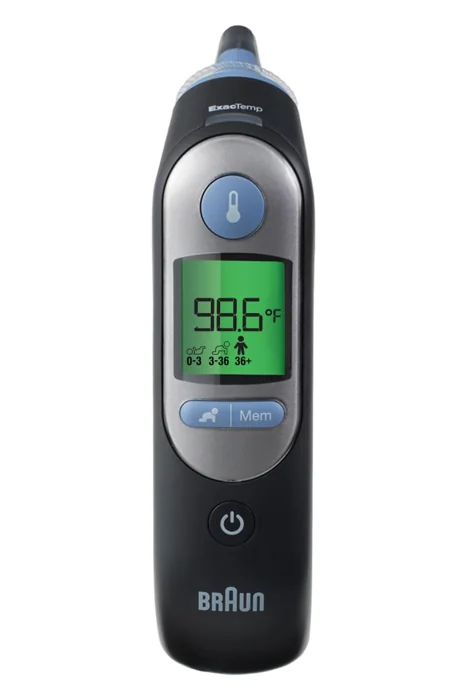
Braun ThermoScan 7
Ear temperature · infrared sensor
How an infrared ear thermometer takes a reading, what the accuracy figures in its manual refer to, and the technique that matters most.
Open entry -
I-10Air-quality monitor
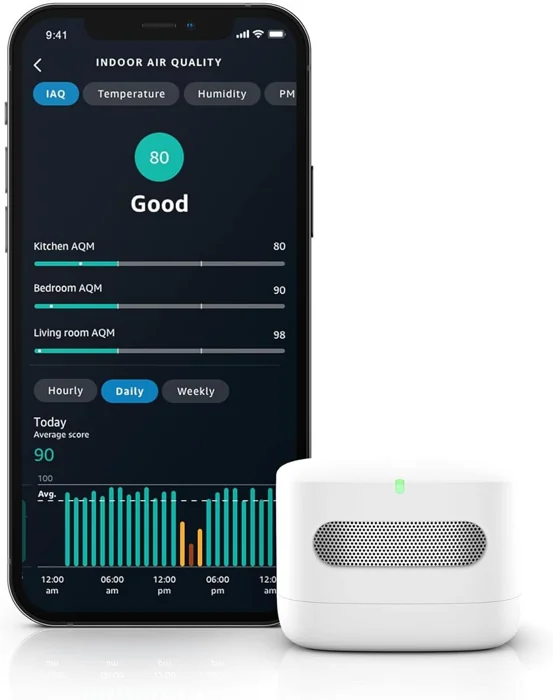
Amazon Smart Air Quality Monitor
PM2.5 · VOC index · carbon monoxide · humidity · temperature
Five room readings and the tolerances Amazon publishes for each, read against EPA guidance on low-cost monitors.
Open entry -
I-11Hygrometer
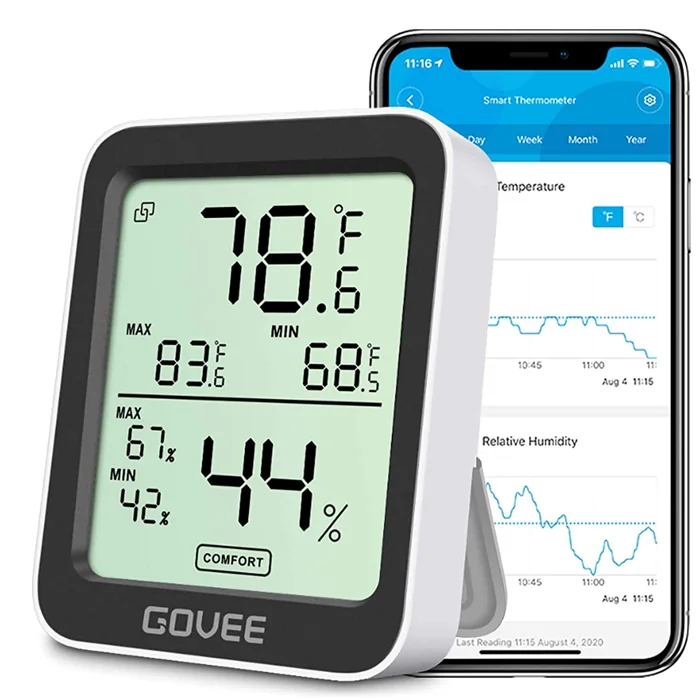
Govee H5075 Hygrometer
Relative humidity · temperature
A small room instrument logged for its stated tolerances, and a simple way to sanity-check any hygrometer at home.
Open entry
Features
How the measurements work
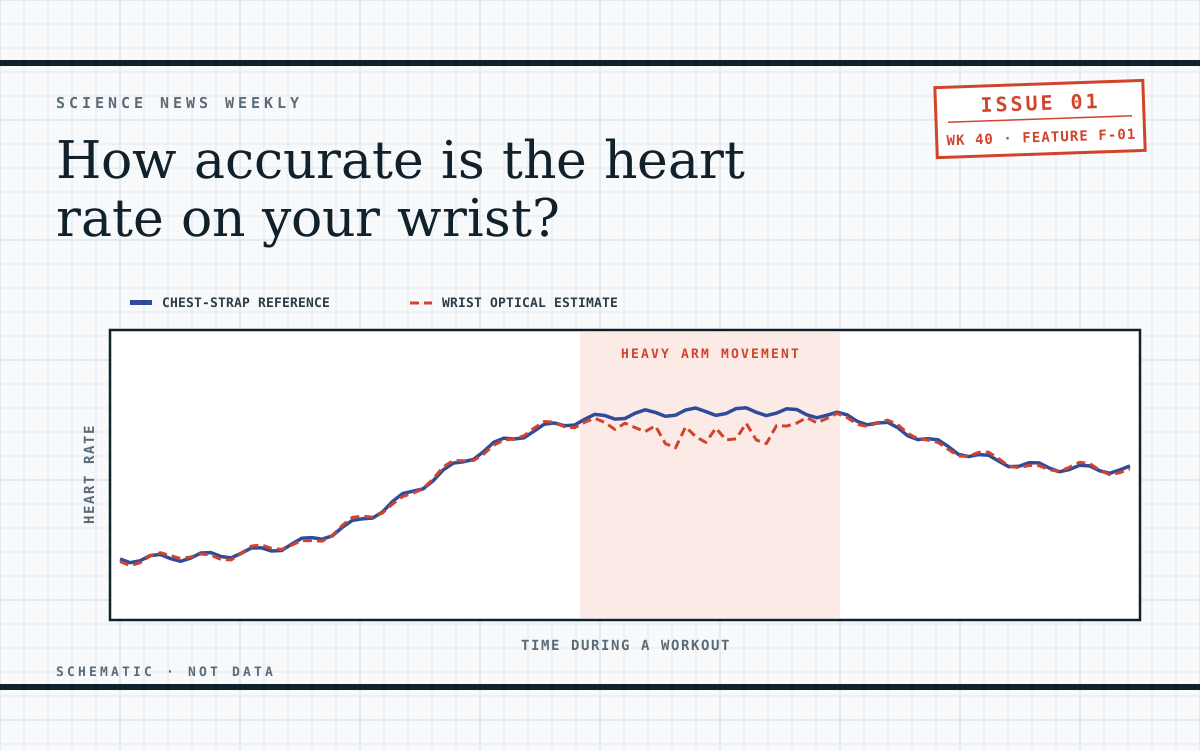
How Accurate Is the Heart Rate on Your Wrist?
How a green light and a photodiode turn blood flow into a pulse number, what validation studies compared it against, and the conditions in which wrist readings tend to drift.
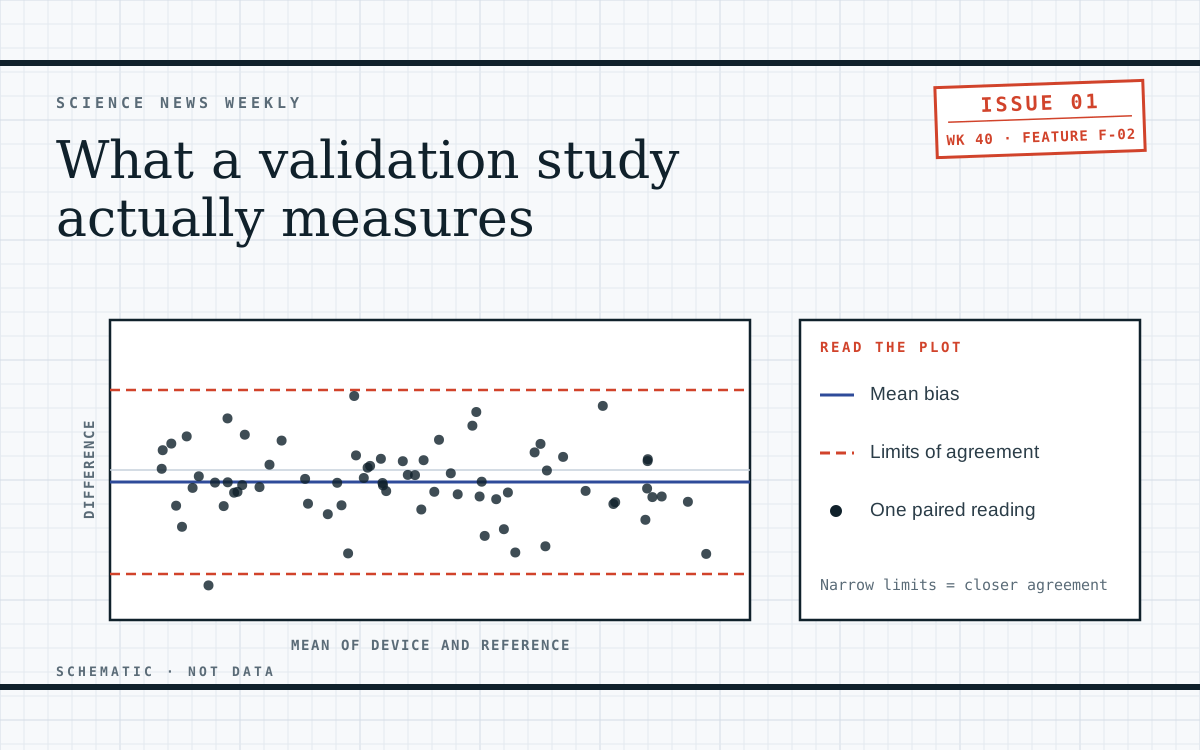
What a Wearable Validation Study Actually Measures
Reference devices, error statistics and agreement plots, explained plainly, so the numbers in an accuracy strip mean something when you read them.
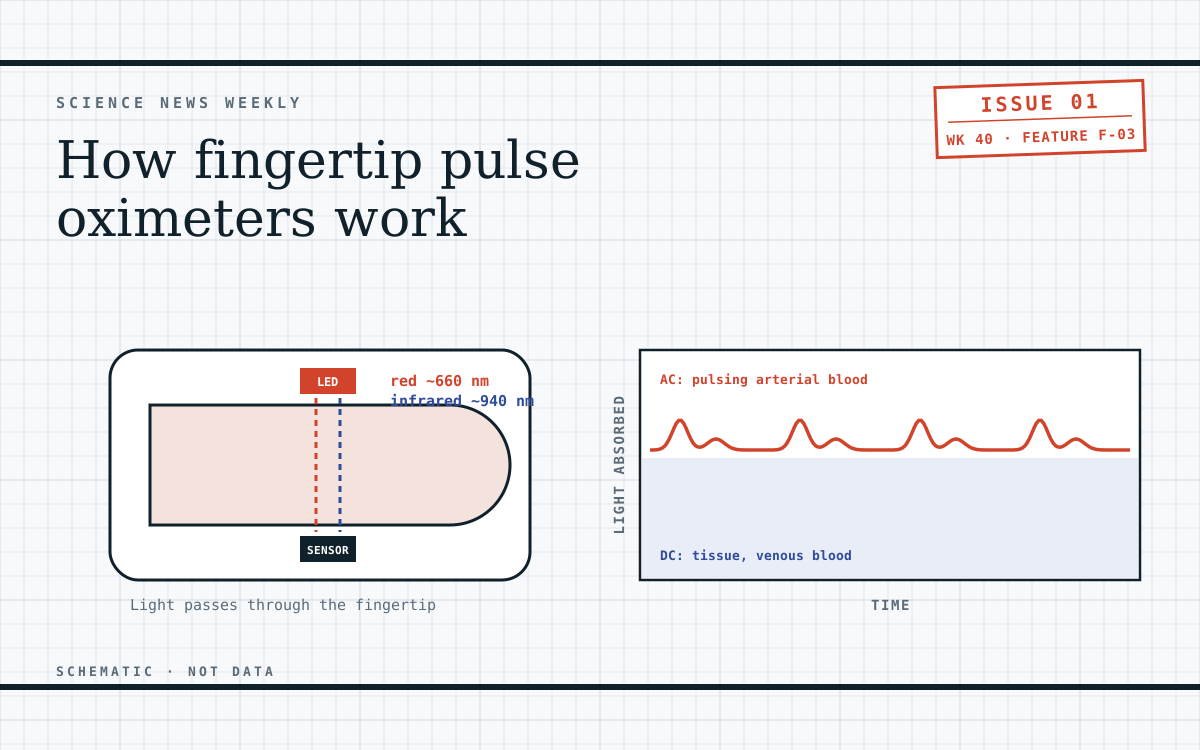
How Fingertip Pulse Oximeters Work, and What the FDA Says About Accuracy
Two wavelengths of light, a pulsing signal, and the FDA's published guidance on how accuracy is tested and what can affect a reading.
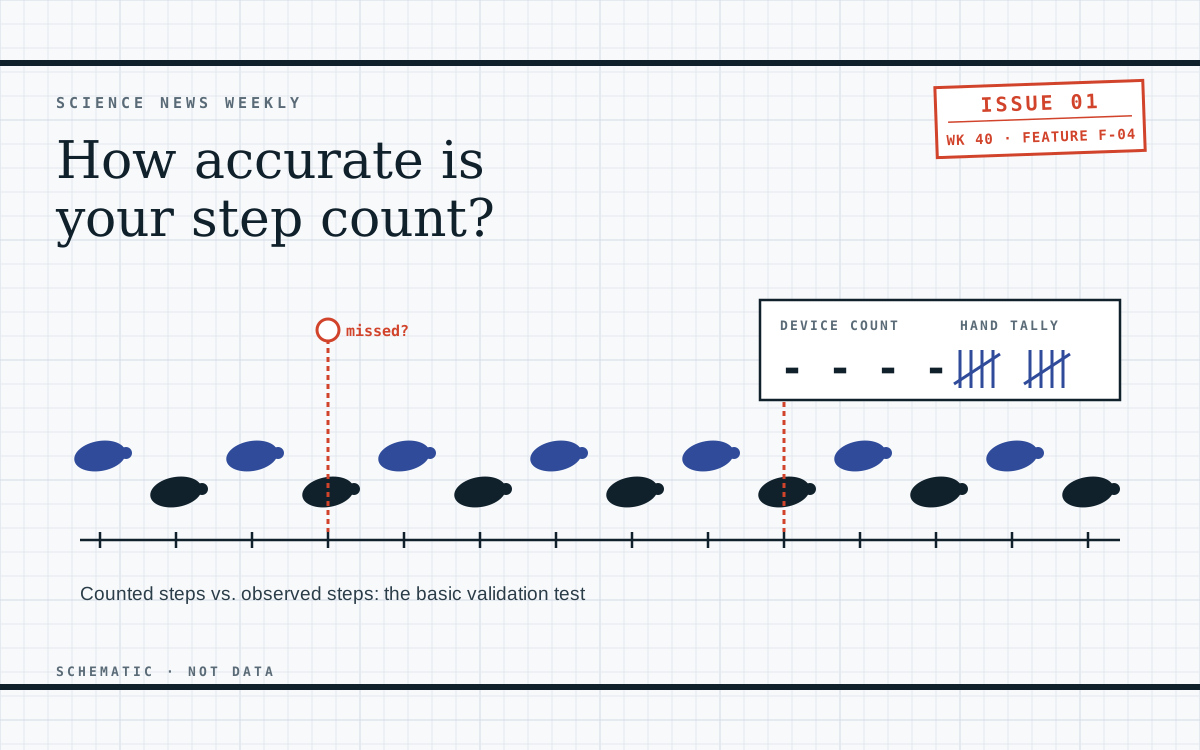
How Accurate Is Your Step Count?
What step-count studies compare against, why wrist, hip and pocket placements differ, and how to run a simple counted-steps check yourself.
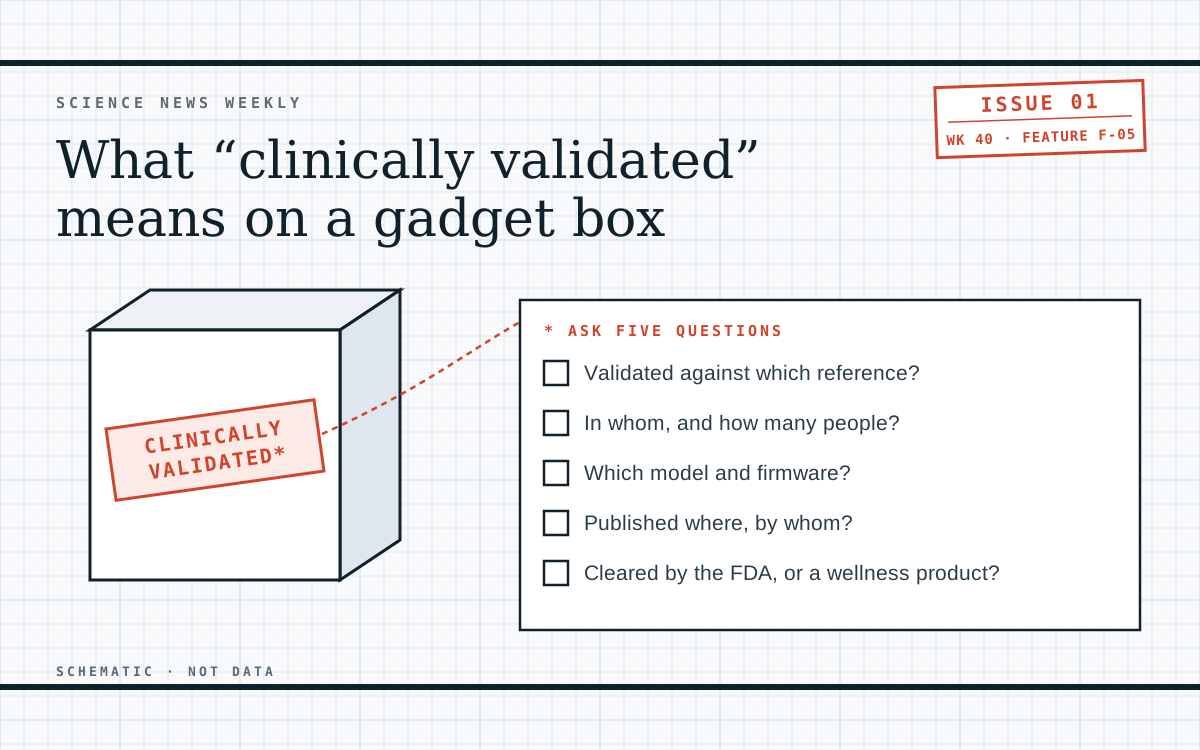
What “Clinically Validated” Means on a Gadget Box
The difference between a general wellness product and an FDA-cleared device, and five questions to ask before trusting a claim printed on a box.
How to read an entry
The notebook conventions
- Independent peer-reviewed study
- Manufacturer or regulatory filing data
- No published data found
Spec table, four columns
What it measures, sensor type, validation evidence, limits. One row for each quantity the device reports, with estimated values labeled as estimates.
Accuracy strip, colored by source
Each cell is one published result: the statistic the study reported, the reference device, the setting and the sample size, linked to the source.
Not a diagnostic device
Consumer gadgets estimate and record. None of them can tell you whether you have a medical condition, and no entry here suggests otherwise.
Amazon only, prices dated
Every product is an established brand on Amazon. Our links are Amazon affiliate links, and every price carries the date we saw it.
Newsletter
The Weekly Issue, by email
One email when a new issue is filed: the new instrument entries, the new feature, and any correction to an older page. No daily blasts, no hype.
By subscribing you agree to receive The Weekly Issue by email. We store your email address, the time you signed up and your IP address; see our Privacy Policy. Unsubscribe any time.